
 Jitterbit iPaaS
 Jitterbit EDI
 Jitterbit API Manager
 Jitterbit MCP
 Jitterbit App Builder
 Marketplace
 Management Console
 Cloud Datastore
 Message Queue
 Jitterbit AI
E-handelintegrasjonsplattform
Jitterbits lavkodingsintegrasjonsplattform kobler sammen både e-handels- og fysiske handelsapper, noe som skaper en sømløs kjøpsopplevelse på tvers av detaljhandelskanaler og automatiserer manuelle prosesser.
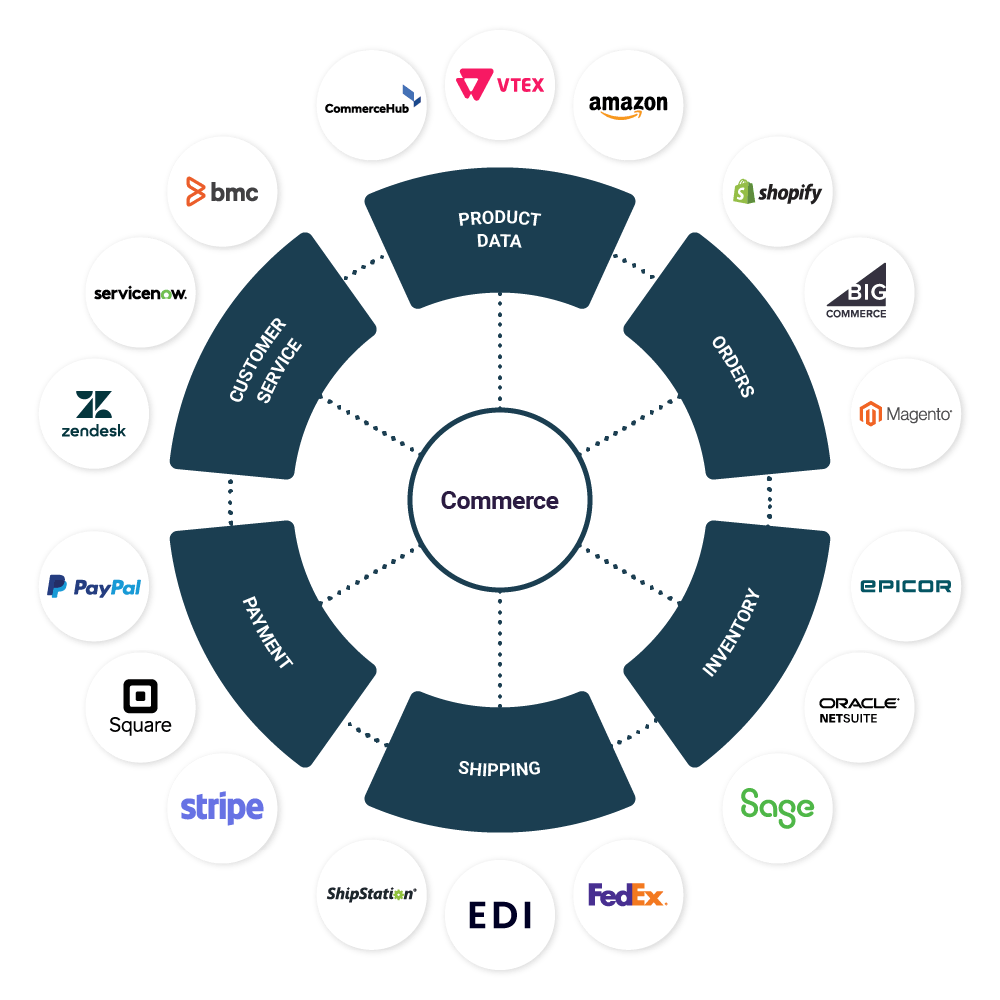
Fordeler med integrasjon av e-handelsdata.
Skap en friksjonsfri kjøpsopplevelse uavhengig av kanal. Handelsintegrasjoner kan koble nettbutikken din til bak-systemer, automatisere innkjøpsarbeidsflyter og øke synligheten av kunder uansett hvor de befinner seg.

Gjør innsikt til innovasjon
Gjennom integrasjon av netthandelsdata kan du forutse endringer i forbrukernes smak og handle raskere med tilknyttede nettbutikk- og oppfyllelsessystemer.

Øk din andel av kundens budsjett
Ta datadrevne beslutninger om hvordan du kan forbedre kjøpsreisen ved å koble sammen salgs- og markedsføringsapplikasjoner og møte kundene der de er.

Øk transaksjonsvolumet
Fjern ineffektivitet som skyldes datasiloer, for sømløst forbrukerengasjement i sanntid.

Reduser belastningen på personalet
E-handelsprogramvare for integrasjon automatiserer tidkrevende og kjedelige prosesser som tar opp tid medarbeiderne dine ellers kunne brukt på å hjelpe kunder.

Gjør kundestøtterepresentanter mer effektivt
Gi supportteamene tidsriktig informasjon om bestillinger, produkter og frakt på ett sted for å få raskere saksbehandlingstid og eliminere behovet for å sjonglere flere systemer.

Skap merkevareambassadører
Gi kundene noe å snakke om ved å skape en sømløs omnikanalopplevelse som integrerer alle handelskanaler, slik at kundene får tilgang til informasjon og kan foreta kjøp på sine egne vilkår.
Hvordan e-handelssintegrasjon transformasjoner bedrifter.
Brukstilfelle: Lagerstyring
Alt er koblet sammen med Jitterbit, inkludert våre e-handelskanaler, noe som hjelper oss med å administrere lager og salg bedre. Vi er veldig fornøyde med resultatet – det fungerer perfekt – og vi vet at vi alltid kan legge til løsninger i fremtiden, noe som er flott.”
Romain Bénichou
Administrerende direktør, Red Luxury
Brukstilfelle: Fra potensiell kunde til ordre og oppfyllelse
Ved hjelp av Jitterbit gikk vi fra ukentlige eller tomånedlige lageroppdateringer til daglige oppdateringer, noe som har endret spillereglene fullstendig. Den forbedrede nøyaktigheten gir oss en bedre oversikt over lagerbeholdningen vår, og de interne systemene våre kan registrere Amazon-prestasjonene mer nøyaktig.”
Jason Ekinaka
Driftsleder hos Olukai
Få fart på transaksjonene med Jitterbits e-handelsintegrasjonsløsninger.
Med Jitterbits lavkodeintegrasjonsplattform kan bedrifter koble sammen e-handelsprogrammer, salgskanaler og EDI til regnskapssystemer, ERP-systemer, CRM og 3PL for å få en fullstendig oversikt over hele kjøpsreisen. Automatiser ordre-til-oppfylling-prosesser og aggreger data fra flere berøringspunkter for å drive innovasjon, eliminere manuelle prosesser og skape en konsekvent kjøpsreise hver gang.
Oppdag hvordan Jitterbits integrasjonsplattform for netthandel kan forandre bedriften din ved å oppleve den på egen hånd – be om en produktdemonstrasjon for å se hvordan den fungerer og få svar på dine spesifikke forretningsspørsmål.
E-handelsintegrasjonsplattform bruksmønstre.
Integrer systemer for å automatisere arbeidsflyter gjennom hele handelsreisen – bestilling, pakking, lager, frakt, retur og mer. Etabler en pålitelig kilde til sannhet for handelsaktiviteter på tvers av team og avdelinger med én helhetlig integreringsløsning for netthandel.
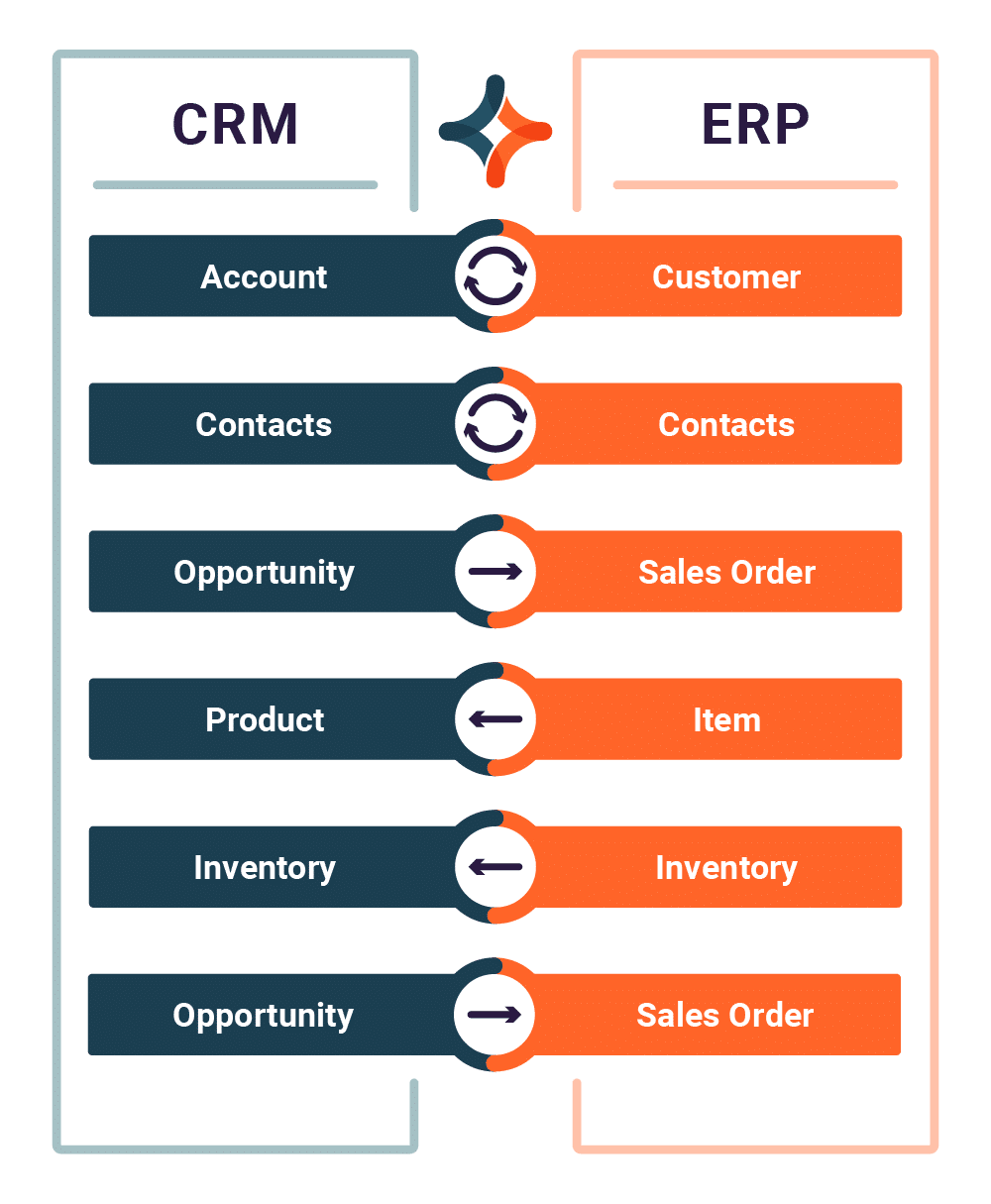
Lead til ordre
Skap en friksjonsfri, integrert handelsopplevelse fra surfing til handling og kjøp ved å koble til ERP-systemet ditt.
- Slutt å behandle ordrer manuelt ved å synkronisere kundedata.
- Mål lønnsomheten i sanntid ved å automatisere varetellinger når kjøp gjennomføres.
- Få teamene på samme side ved å integrere salgs- og finansapplikasjoner på ett sted.
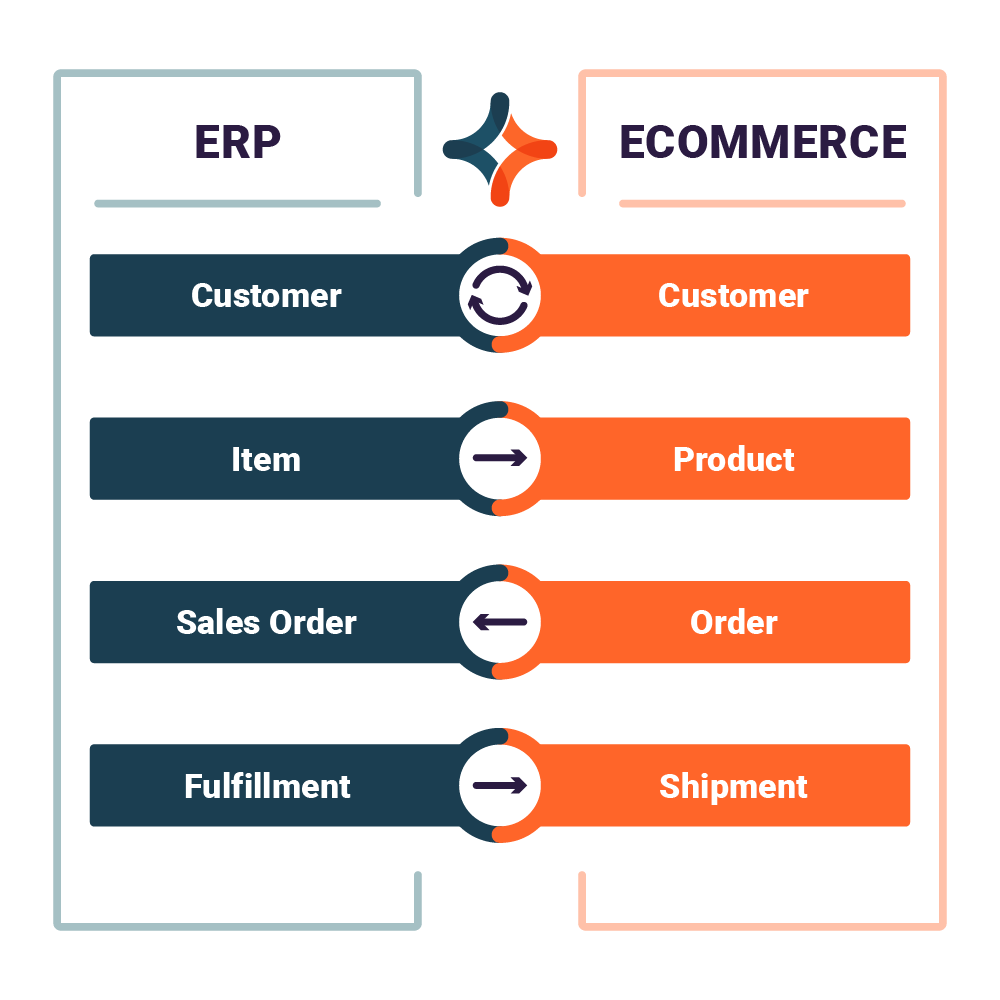
Ordre til oppfyllelse
Integrer din nettbutikk eller plattform foran med ditt ERP-system og CRM for å automatisere kritiske forretningsprosesser gjennom hele e-handelsreisen.
- Møt kundenes forventninger og øk ordrefarten ved å integrere nettbutikken din med ERP-systemet ditt.
- Eliminer forlatte handlekurver ved å automatisere tidsriktige produkt oppdateringer med nettbutikken din.
- Gi sanntids, nøyaktig fraktinformasjon ved å koble ERP-systemet og 3PL-leverandøren din til nettbutikken.
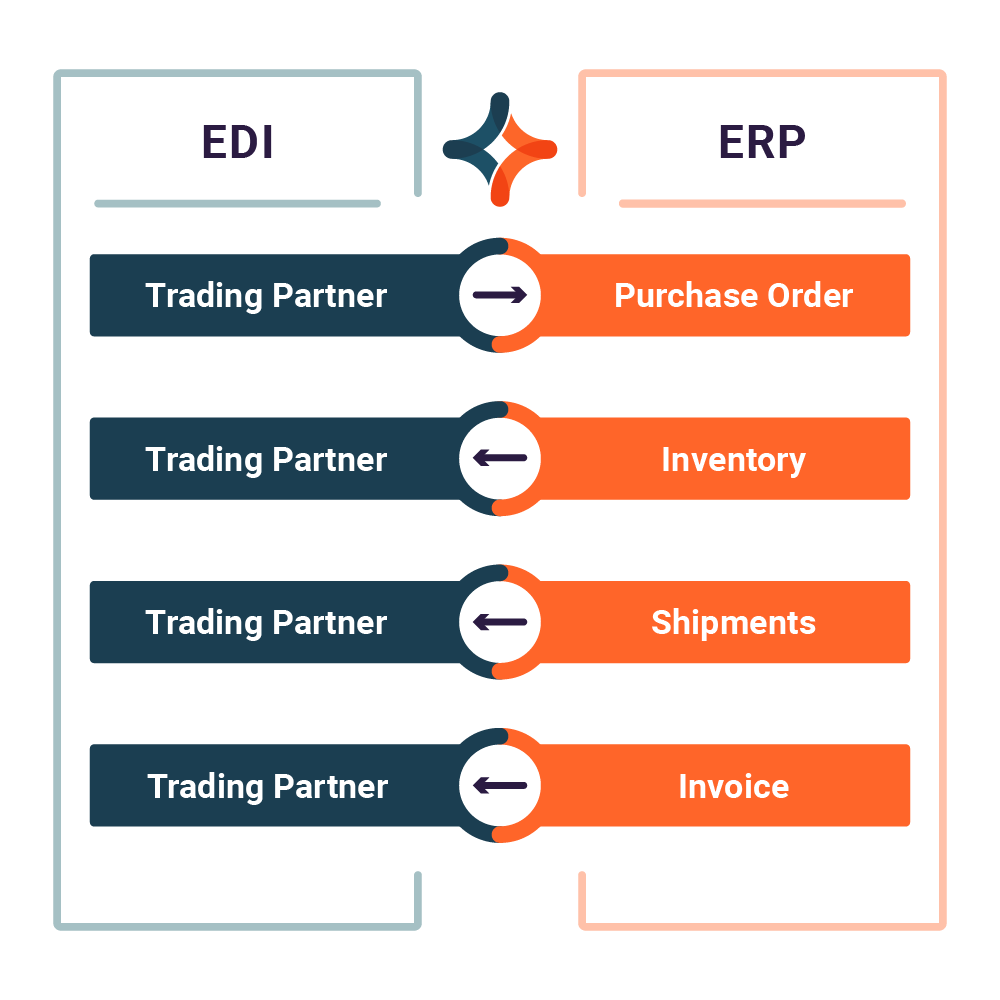
EDI til ERP
Automatiser utvekslingen av EDI-data fra handelspartnere med ERP-systemet ditt for å oppfylle handelspartnernes krav og retningslinjer.
- Avlast personalet fra administrativt arbeid ved å automatisere EDI-data fra handelsspartnerdokumenter til ERP-systemet ditt.
- Frigjør IT-kapasitet og utnytt et brukervennlig grensesnitt for å sette opp og administrere handelspartnere.
- Forbedre relasjonene til handelspartnere og sikre nøyaktighet ved å overholde retningslinjene for handelspartnere.
Ferdigbygde e-handelintegrasjoner som akselerere arbeidsflyter.
Jitterbits gjenbrukbare og tilpassbare koblinger lar deg raskt koble sammen applikasjoner, databaser og protokoller med bare noen få klikk, noe som reduserer implementeringstiden for e-handelopløsningsintegrasjon med 50 til 80 prosent.








Se alle våre applikasjonskoblinger.
ViskoblingerSpørsmål og svar
Hva er integrasjon av e-handelsplattform?
E-handelsintegrasjon er prosessen med å koble e-handelsplattformen din til andre systemer og applikasjoner, for eksempel CRM-systemer (som Salesforce eller HubSpot), ERP-systemer (som NetSuite eller SAP) og lagerstyringsprogramvare, for å automatisere prosesser og synkronisere data.
Å koble sammen systemer gjennom integrasjon gjør det mulig for bedrifter å strømlinjeforme ordreoppfyllelse, vannoppdateringer og kundedatahåndtering, noe som gir en helhetlig oversikt over driften og forbedrer den generelle kundearbeidsflyten på tvers av alle salgskanaler.
Hvilke typer systemer kan integreres med en e-handelshandelsplattform?
Mange systemer kan integreres med programvare for e-handelintegrasjon for å øke effektiviteten og automatisere manuelle oppgaver, inkludert:
- Kundesenter for relasjonshåndtering (CRM) Systemer som håndterer kundedata, salgspipelines og markedsføringskampanjer, som Salesforce, HubSpot og Zoho CRM, kan integreres med e-handelssystemer for å samle kundeinformasjon og effektivisere salgsprosessene.
- Enterprise Resource Planning (ERP): Systemer som håndterer økonomi, lager og forsyningskjedestyring, som NetSuite, SAP og Microsoft Dynamics 365, kan integreres for å synkronisere lager- og økonomidata i sanntid, noe som optimaliserer driften av forsyningskjeden.
- Programvare for lagerstyring, frakt og ordreoppfylling: Integrering av verktøy som sporer lagernivåer, administrerer fraktlogistikk og sporer bestillinger (som ShipStation, BigCommerce og Shopify) automatiserer lageroppdateringer, forenkler fraktprosesser og gir mer nøyaktige oppdateringer om bestillingsstatus.
- Salgssted (POS): Integrering av kassesystemer, som Shopify POS og Square, sikrer at salg i fysiske butikker og på nett synkroniseres, noe som gir en helhetlig oversikt over transaksjoner.
- Betalingsportaler: Verktøy som behandler transaksjoner, som Stripe, PayPal og Square, kan integreres for å skape en smidigere betalingsbehandling, redusere transaksjonsfeil og gi kundene flere betalingsalternativer.
- Markedsføringsautomasjon Integrering av plattformer som automatiserer e-postkampanjer og personlig tilpasset markedsføring, som Mailchimp og Marketo, gir mulighet for mer målrettet kommunikasjon basert på kundeadferd.
- Regnskap Integrering av programvare som QuickBooks, Xero og FreshBooks kan bidra til å forenkle økonomisk rapportering, fakturering og skatteforberedelse.
- Kundeservice Å koble sammen kommunikasjonsløsninger som Zendesk og Freshdesk med integrasjon mot e-handelsplattformer sikrer at alle kundekontakter blir sporet i ett og samme system. Dette gjør det mulig for supportteam å arbeide mer effektivt på tvers av kanaler – for eksempel kan en henvendelse som startet på e-post, videreføres sømløst på live-chat.
- Analytiske verktøy Integrering av analyseverktøy som Adobe Analytics, Google Analytics og Salesforce Einstein Analytics kan gi en samlet oversikt over salgsresultater og kundeengasjement.
Hvordan kan en integrasjonsplattform koble sammen fysiske og digitale salgskanaler?
Å koble sammen dine fysiske og digitale salgskanaler er avgjørende for å tilby en sømløs kundeopplevelse. Integrering av e-handelsdata gjør dette ved å:
- Oppdaterer lagernivåer i sanntid på tvers av begge kanaler, noe som forhindrer lageravvik
- Konsolidering av kundedata fra transaksjoner i butikk og på nett for å skape helhetlige kundeprofiler for personlig tilpassede markedsføringskampanjer og kundeservice
- Effektivisere ordreoppfyllingen ved å tillate at nettkjøp hentes i butikk eller sendes fra et fysisk sted
- Synkronisere priser og kampanjer på tværs av kanaler for å sikre en konsekvent handleopplevelse
Relaterte ressurser

Forbedre kundeopplevelsen og øk effektiviteten i handel med iPaaS

Tips for handelsautomatisering: Fjern manuelle hindringer i prosessen fra bestilling til oppfyllelse
SAP + VTEX-integrasjon White Paper: Kortere tid fra e-handel til inntekter med iPaaS
Løsningsark for detaljhandel og netthandel