 Jitterbit iPaaS
 Jitterbit EDI
 Jitterbit API Manager
 Jitterbit MCP
 Jitterbit App Builder
 Marketplace
 Management Console
 Cloud Datastore
 Message Queue
 Jitterbit AI

Por Maneeza Malik, Director o Directora de Marketing de Producto
La tecnología Agentic AI está transformando los servicios financieros y los seguros a un ritmo más rápido de lo que la gobernanza puede seguirle el paso. La industria está pasando de los copilotos y los chatbots a agentes de IA autónomos que operan a escala de producción. Esto requerirá un cambio fundamental en el riesgo empresarial, la gobernanza y el control.
Gartner predice que para 2028, la empresa promedio de Fortune 500 implementará más de 150,000 agentes de inteligencia artificial en todas las funciones empresariales. Al mismo tiempo, Gartner advierte que las organizaciones, en particular aquellas en industrias reguladas como los servicios financieros y los seguros, no están adecuadamente preparadas para la gobernanza, la seguridad, el cumplimiento y la complejidad operativa que introduce la implementación de agentes a gran escala.
Para los bancos y aseguradoras, esto crea una nueva realidad. Cada agente de IA se convierte en un actor digital que interactúa con los sistemas comerciales centrales. Cada nuevo agente amplía la superficie de ataque de la empresa. Cada flujo de trabajo autónomo introduce nuevos riesgos operativos, de seguridad y regulatorios.
Por esta razón, la inteligencia artificial agéntica no puede tratarse como otra iniciativa de IA ni como otra capa en la pila tecnológica. Requiere controles de gobernanza, identidad, seguridad, observabilidad y cumplimiento que estén integrados en toda la empresa.
Cómo el Agentic AI modifica el modelo de riesgo financiero
Los sistemas de IA tradicionales solían realizar tareas de definición restringida dentro de flujos de trabajo financieros bien establecidos, como clasificar transacciones, generar predicciones o recomendar acciones. Los controles empresariales se diseñaron en torno a estos casos de uso limitados, con humanos o reglas de negocio deterministas que regían el flujo de trabajo general y la ejecución.
Agentic AI cambia ese modelo. Los agentes de IA pueden planear y ejecutar tareas de múltiples pasos, invocar aplicaciones empresariales y API, acceder a datos en distintos sistemas, coordinarse con otros agentes y adaptar sus acciones en función de los cambios en el contexto. En lugar de limitarse a realizar una sola tarea, pueden orquestar procesos de negocio completos.
A medida que los agentes de IA se convierten en participantes activos en las operaciones empresariales, el modelo de riesgo empresarial se amplía. Las instituciones financieras deben regir no solo el modelo de IA, sino también la identidad, los permisos, el acceso a herramientas, los límites de decisiones, el acceso a datos y el comportamiento en tiempo de ejecución de cada agente durante todo su ciclo de vida.
Esto introduce tres cambios significativos.
- Los límites de decisión se vuelven menos explícitos. A medida que los agentes ejecutan flujos de trabajo cada vez más complejos, las organizaciones necesitan políticas claras que definan cuándo un agente puede actuar de forma autónoma, cuándo se requiere la aprobación humana y cómo se monitorean, gobiernan y auditan las decisiones.
- Las integraciones pasan a formar parte de la superficie de ataque. Los agentes dependen de API, aplicaciones empresariales, plataformas SaaS, fuentes de datos y servicios externos para completar tareas. Cada conexión introduce riesgos potenciales relacionados con la autenticación, la autorización, la exposición de datos y las dependencias de terceros.
- La escala se convierte en un desafío de gobernanza. Los sistemas multiagente pueden pasar rápidamente de unos pocos agentes a cientos o miles que realizan funciones especializadas. Sin la gestión del ciclo de vida de los agentes de IA, el inventario, la propiedad, la aplicación de políticas y la supervisión continua, las instituciones financieras y las aseguradoras corren el riesgo de perder visibilidad sobre a qué pueden acceder los agentes o cómo interactúan en toda la empresa.
Estándares emergentes como el Protocolo de contexto modelo (MCP) accelerará aún más esta tendencia al estandarizar cómo los agentes de inteligencia artificial se conectan a las herramientas y fuentes de datos empresariales. A medida que sea más fácil integrar agentes con los sistemas comerciales, las organizaciones necesitarán controles consistentes de identidad, gobernanza, aplicación de políticas y tiempo de ejecución en cada interacción de los agentes.
Mejores prácticas para implementar la gobernanza de la IA en los servicios financieros
Para abordar estos desafíos, las instituciones financieras deben establecer marcos de gobernanza que reduzcan el riesgo y preparen a la empresa para un comportamiento imprevisto de los agentes. Las siguientes cinco mejores prácticas proporcionan una base para:
- Reducción de riesgos operativos, de seguridad y de cumplimiento asociados con la implementación de IA agéntica a escala empresarial.
- Desarrollo de planes de contingencia para detectar, contener y responder cuando los agentes de IA se comportan de manera inesperada, violan las políticas o experimentan fallas operativas.
Práctica recomendada #1:
Gobierna agentes de IA como empleados digitales
El primer principio es sencillo: trata a cada agente de IA como a un empleado digital.
Todo agente debe tener:
- Un rol y propósito claramente definidos
- Un conjunto limitado de responsabilidades
- Acceso con privilegios mínimos
- Herramientas y fuentes de datos aprobadas
- Fronteras de decisión claramente definidas
- Supervisión humana cuando corresponda
Sin estos controles, los agentes de IA se convierten en actores no gestionados que operan en los sistemas empresariales.
La gobernanza también debe estar impulsada por políticas en lugar de ser manual. Las organizaciones necesitan políticas legibles por máquina que definan qué se les permite hacer a los agentes, cuándo pueden actuar de manera autónoma y cuándo requieren aprobaciones con intervención humana.
En industrias reguladas como la banca y los seguros, la gobernanza de la IA es más que una buena práctica. Es una necesidad y una función de control que permite la auditabilidad, la rendición de cuentas y el cumplimiento normativo.
Práctica recomendada #2:
Protege todo el ecosistema de agentes de IA
Un error común es centrarse en la seguridad únicamente en el propio Modelo de Lenguaje Grande (LLM). En realidad, la superficie de ataque empresarial se extiende mucho más allá del modelo una vez que se empiezan a introducir agentes de inteligencia artificial. Los agentes de IA interactúan con:
- APIs
- Bases de datos
- Sistemas de identidad
- Aplicaciones y sistemas empresariales (ej. CRM, ERP, RR. HH., finanzas, etc.)
- Flujos de trabajo internos
- Servicios externos
- Herramientas compatibles con MCP
Cada conexión a la que un agente de IA puede acceder se convierte en parte de la superficie de ataque de la empresa.
A medida que los agentes de IA se vuelven más autónomos, la seguridad debe ir más allá de proteger los modelos subyacentes para asegurar todo el ecosistema de agentes. Esto incluye la gestión de identidades y accesos, autenticación y autorización, seguridad de API y herramientas, controles de acceso a datos y cumplimiento de políticas para datos confidenciales, incluida la información de identificación personal (PII) y la información comercial confidencial. La supervisión continua en tiempo de ejecución para detectar comportamiento no autorizado, violaciones de políticas y amenazas emergentes es imperativa.
Cada acción que realiza un agente debe tratarse como una transacción empresarial privilegiada. Antes de acceder a datos, invocar una herramienta o ejecutar un flujo de trabajo, el sistema debe verificar la identidad, validar los permisos, aplicar la política y registrar la acción para fines de auditoría.
Para las instituciones financieras y las aseguradoras, asegurar la IA agéntica significa tratar a los agentes de IA como identidades empresariales de primera clase, gobernadas con el mismo rigor que los empleados, las aplicaciones y las cuentas de servicio.
Práctica recomendada #3:
Implementar la Gestión del Ciclo de Vida del Agente
Gestionar un puñado de agentes de IA es sencillo. Gestionar cientos o miles en todas las unidades de negocio, entornos, geografías y casos de uso es un desafío de gobernanza empresarial. Sin una gestión centralizada del ciclo de vida de los agentes y los controles adecuados, la complejidad pronto se vuelve inmanejable.
Las organizaciones necesitan un enfoque centralizado para gestionar el ciclo de vida completo de los agentes: desde el aprovisionamiento y la implementación hasta el monitoreo, la optimización, las actualizaciones y la baja. Ningún agente debe existir sin gobernanza ni persistir indefinidamente.
La gestión del ciclo de vida del agente debe incluir:
- Inventario y propiedad de agentes
- Gestión de versiones y configuración
- Gestión de identidades y credenciales
- Observabilidad en tiempo de ejecución y monitoreo de rendimiento
- Aplicación de políticas y monitoreo de cumplimiento
- Registros de auditoría e historial de actividad
- Evaluación continua y evaluación de riesgos
- Desmantelamiento seguro
Sin estas capacidades, las organizaciones pierden rápidamente la visibilidad de qué agentes existen en toda la empresa (inventario), por qué existen (propósito) y quién es el propietario (propietario, trazabilidad y rendición de cuentas). Para las industrias reguladas, mantener esta visibilidad —y el registro de auditoría de respaldo— es fundamental para la gobernanza, el cumplimiento normativo y la gestión de riesgos.
En muchos casos, los agentes se crean para funciones o procesos de negocio específicos, pero con el tiempo este contexto se pierde. Esto genera el riesgo de agentes de IA no administrados o “fantasma”, junto con incertidumbre sobre a qué sistemas pueden acceder, cómo se comportan y si continúan operando dentro de los límites aprobados.
La observabilidad es un componente fundamental de la gestión del ciclo de vida de los agentes. A diferencia de las aplicaciones tradicionales, los agentes de IA toman decisiones dinámicas, invocan herramientas y se adaptan a un contexto cambiante. Las organizaciones necesitan visibilidad en tiempo real de la actividad de los agentes, el uso de herramientas, las violaciones de políticas, las fallas y las rutas de ejecución para respaldar la respuesta a incidentes, la resolución de problemas operativos y el cumplimiento normativo.
Práctica recomendada #4:
Definir las métricas de rendimiento de los agentes
Las instituciones financieras y las aseguradoras deben definir métricas claras de rendimiento y eficacia para garantizar que los agentes de IA aporten valor empresarial de forma constante y operen dentro de los límites aprobados de riesgo y cumplimiento.
La gestión del desempeño de los agentes debe incluir:
- Métricas de resultados comerciales y éxito de tareas: medir si los agentes están logrando los objetivos comerciales previstos y entregando el valor esperado.
- Calidad de las decisiones y consistencia en los resultados: evaluar continuamente la precisión, confiabilidad y consistencia de las decisiones y respuestas del agente.
- Monitoreo de cumplimiento normativo y de comportamiento: detectar la herramienta no autorizada usage, rutas de ejecución inesperadas o acciones que no se ajusten a las políticas de gobernanza aprobadas.
- Detección de deriva de modelos y de comportamiento: identificar cambios en el rendimiento del modelo o en el comportamiento del agente a lo largo del tiempo que puedan indicar deriva del modelo, problemas de calidad de datos, cambios en las instrucciones (prompts) o adaptación no deseada.
- Métricas de salud operativa y supervisión humana: monitorear la disponibilidad, la latencia, las fallas, las tasas de escalamiento y las intervenciones humanas para garantizar que los agentes sigan siendo confiables y fidedignos.
La gestión del desempeño de los sistemas basados en agentes va más allá del monitoreo tradicional de aplicaciones. Las organizaciones necesitan una visibilidad continua de la calidad de las decisiones, las rutas de ejecución, la herramienta usage y los cambios de comportamiento a lo largo del ciclo de vida de un agente. Las desviaciones del comportamiento esperado —ya sean causadas por la deriva del modelo, cambios en la configuración, datos en evolución u otros factores— deben desencadenar una revisión estructurada y, cuando sea apropiado, la intervención humana. Es por eso que los flujos de trabajo con participación humana y la supervisión siguen siendo un control de gobernanza fundamental.
Junto con la gestión del ciclo de vida de los agentes, la medición continua del rendimiento proporciona la base operativa para regir la IA agéntica a escala empresarial.
Práctica recomendada #5:
Integre el cumplimiento y la supervisión humana en los flujos de trabajo de los agentes
En las industrias reguladas, el cumplimiento no puede ser un paso de validación externo. Debe integrarse directamente en el diseño, la ejecución y el monitoreo de los agentes.
Los requisitos de cumplimiento —incluidas las disposiciones normativas, las políticas internas, las normas de auditabilidad y las reglas de gobernanza de datos— deben aplicarse de manera continua en los flujos de trabajo de los agentes. Esto implica incorporar restricciones para los datos usage, controles jurisdiccionales, trazabilidad de las decisiones y requisitos de retención directamente en la lógica de ejecución.
La supervisión humana sigue siendo un control fundamental, pero debe aplicarse de manera selectiva y basada en riesgos. No todas las acciones requieren intervención humana. Sin embargo, las acciones de alto impacto, como transacciones financieras, decisiones orientadas al cliente o el acceso a datos sensibles, deben activar revisiones de flujo de trabajo con intervención humana según umbrales de riesgo definidos.
La supervisión también debe ser estructurada y coherente. Las organizaciones necesitan rutas de escalamiento definidas, flujos de trabajo de aprobación y mecanismos de intervención que estén estandarizados en todos los agentes. Esto garantiza que la intervención humana sea predecible, auditable y esté alineada con las políticas de riesgo empresarial en lugar de ser una intervención improvisada.
Para las instituciones financieras y las aseguradoras, integrar el cumplimiento y la supervisión humana en los flujos de trabajo de los agentes es lo que permite escalar sin perder el control regulatorio.
Cómo convertir la IA agentiva en acciones concretas con Jitterbit Harmony
El desafío para las instituciones financieras y las aseguradoras no es crear agentes de IA, sino ponerlos en marcha con gobernanza, seguridad, cumplimiento y observabilidad consistentes en entornos empresariales híbridos.
Jitterbit Harmony aborda esto con una plataforma de código bajo unificada e impulsada por IA que reúne:
- iPaaS
- Desarrollo de aplicaciones
- Gestión del ciclo de vida completo de API
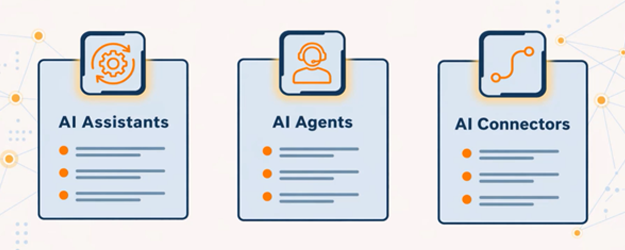
- Asistentes de IA y agentes de IA
Con Harmony, las instituciones financieras y las aseguradoras pueden integrar fuentes de datos y sistemas thought y coordinar flujos de trabajo complejos y agentes a escala, desde un único entorno. La seguridad integral, la gobernanza de IA, la observabilidad y los controles de cumplimiento están integrados en la plataforma. Esto permite a las organizaciones escalar la automatización mientras mantienen:
- Control operacional
- Auditabilidad
- Alineación regulatoria
- Aplicación de la seguridad
Jitterbit Agentic AI Services: De la estrategia a la producción
Agentic AI y Professional Services de Jitterbit el equipo ayuda a las organizaciones a pasar de la estrategia a la implementación lista para producción de sistemas agénticos.
Con profunda experiencia en integración, diseño de flujos de trabajo y arquitecturas agénticas, el equipo apoya el desarrollo de:
- flujos de trabajo basados en RAG
- Controles con intervención humana
- Arquitectura de agentes seguros
- Marco de gobernanza empresarial
Las organizaciones pueden acelerar la adopción a la vez que garantizan que los agentes se implementen con las salvaguardas, la trazabilidad y la supervisión operativa adecuadas.
¿Listo para comenzar tu viaje en la IA agéntica?
Vea cómo Jitterbit ayuda a las instituciones financieras y aseguradoras a crear, conectar y escalar soluciones de IA agéntica con asistentes de IA, agentes de IA y la base de integración necesaria para competir en un mercado impulsado por la IA.
Más Información