
 Jitterbit iPaaS
 Jitterbit EDI
 Jitterbit API Manager
 Jitterbit MCP
 Jitterbit App Builder
 Marketplace
 Management Console
 Cloud Datastore
 Message Queue
 Jitterbit AI

iPaaS - Solutions to connect your workflows.
Your data is siloed. Your workflows aren’t aligned. It’s time to plug into Jitterbit’s iPaaS solutions.
¿Qué es iPaaS?
An integration platform as-a-service (iPaaS) connects your data, application and business processes. Jitterbit’s iPaaS lets you do it faster with hundreds of pre-built integrations that automate common business workflows, an easy-to-use interface that lets you quickly create integrations, and management tools that let you see everything in one place. A low-code, cloud-native enterprise integration platform as a service built for IT developers and business users alike.
89%
Organizations who say they currently have a data integration backlog.
66%
Companies that plan to invest in iPaaS in the next two years.
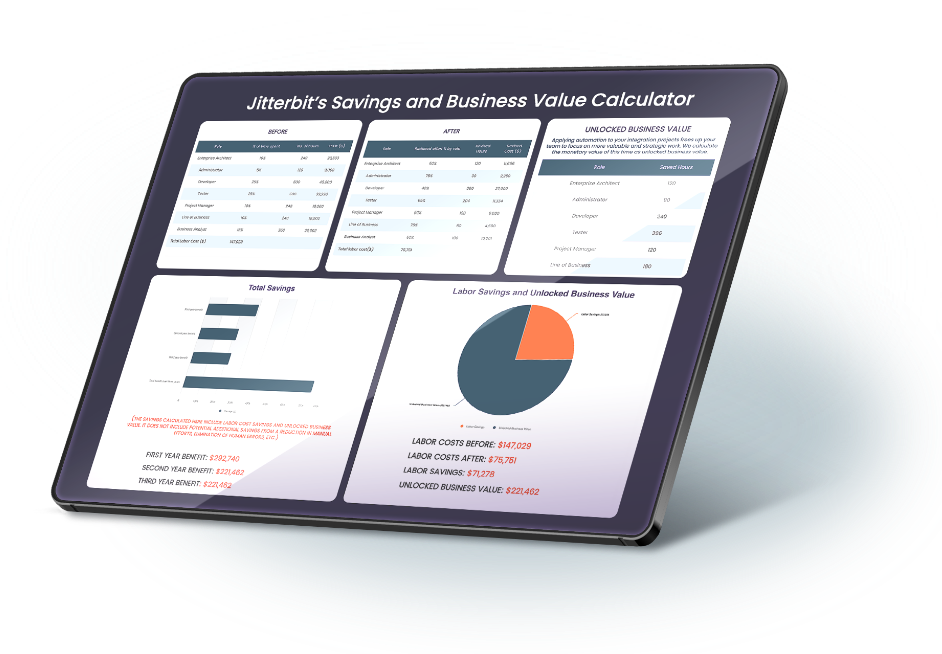
Want to see your iPaaS savings?
Find out now
Keep Everybody Working in Harmony
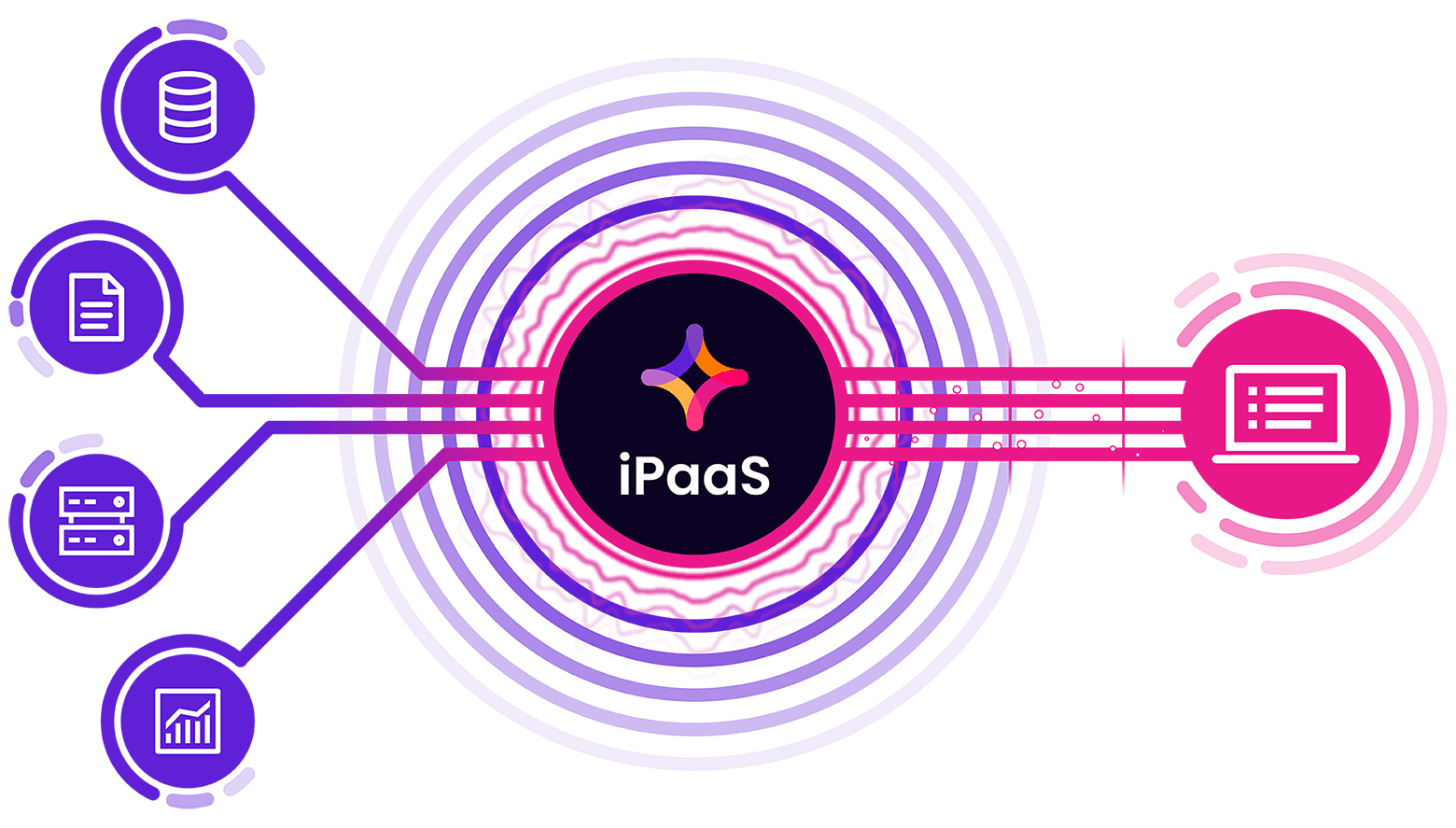
Jitterbit’s iPaaS connects legacy, on-premises, SaaS, hybrid, or a mix of them all, allowing you to sync data when you want, where you want.The benefits of iPaaS include the ability to integrate hundreds of applications using pre-built templates, and do it all simply and securely from a single platform.
Modern iPaaS for fast and intuitive integration

Integrate faster
Jitterbit’s iPaaS connects hundreds of applications quickly with pre-built integrations.

Automate business processes
Seamlessly connect and automate business processes to orchestrate customer journeys.

Connect with anything
Sync data and applications from SaaS, cloud, on-premise and legacy apps with a single iPaaS solution.

Create APIs with speed
Create and publish developer-friendly APIs and perform full API lifecycle management tasks.
You call it iPaaS. We call it Harmony.
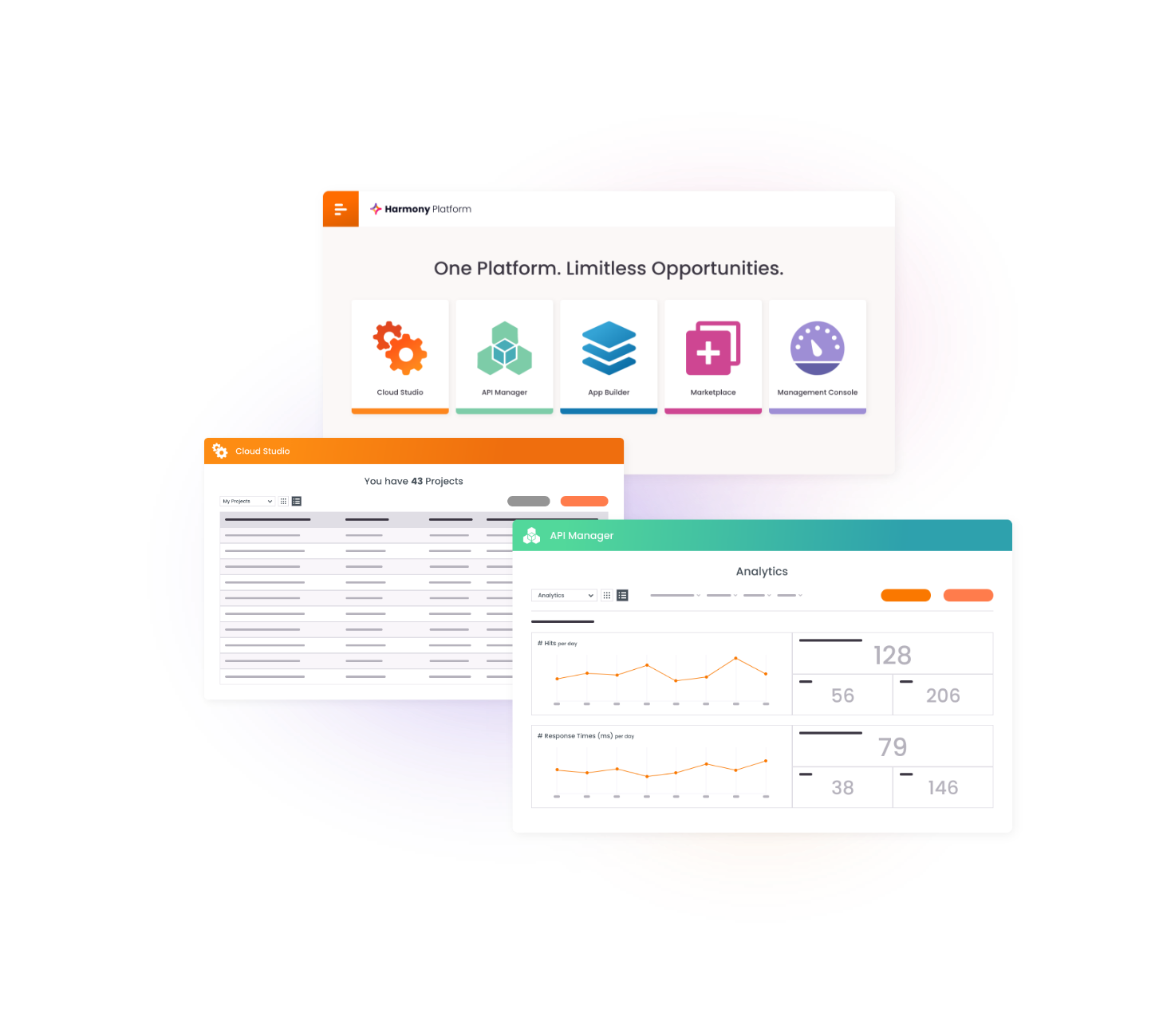
No, really. We named Jitterbit’s iPaaS solution Harmony because it connects your apps, services and data all in one place. And because it’s easy to design, deploy, customize, and manage, it hits all the perfect notes for business teams and IT professionals.
Integrate Efficiently
- Connect SaaS, on-premise and legacy applications with a single iPaaS solution
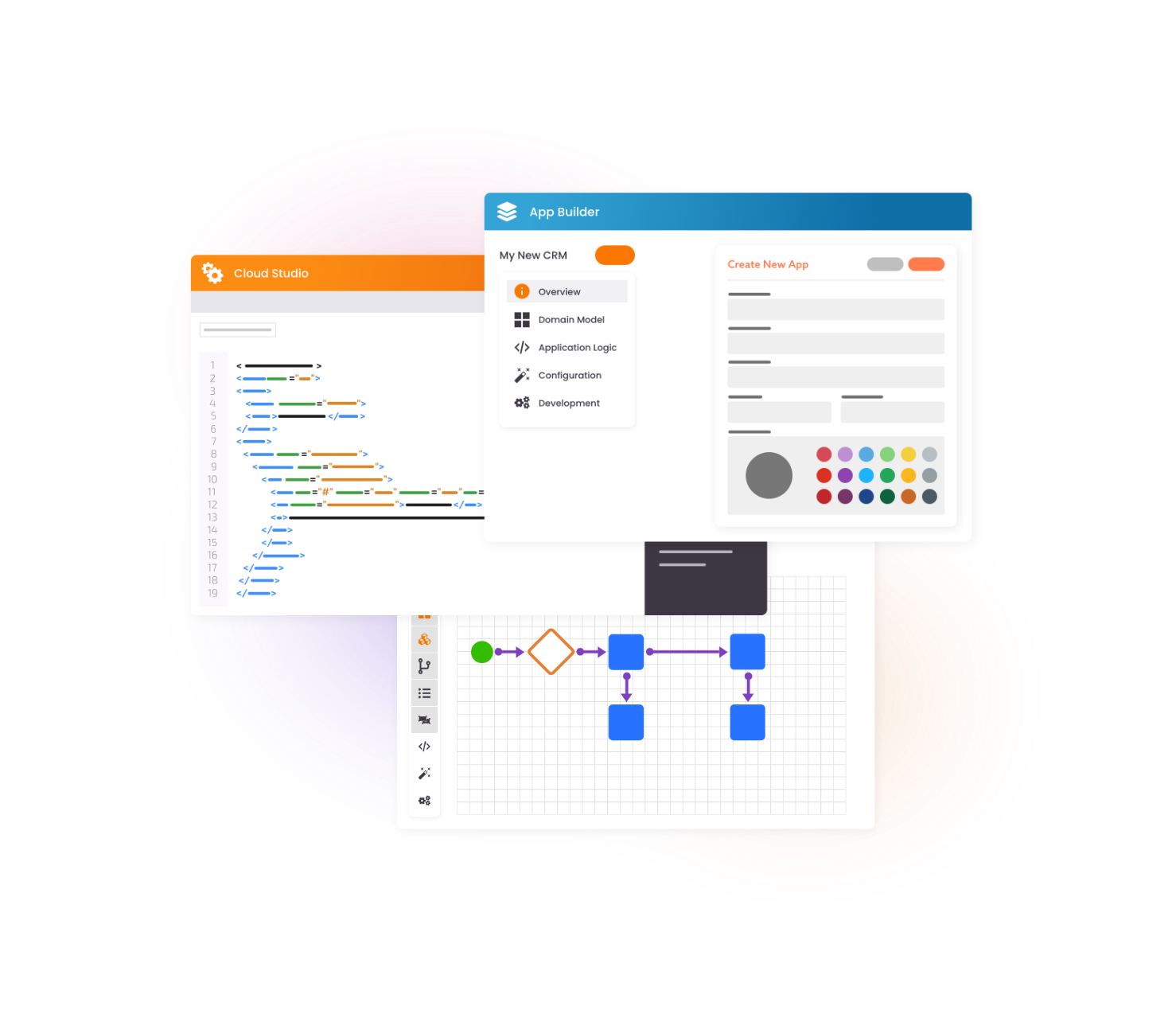
- Automate workflows with an intuitive visual interface
- Create and publish developer-friendly APIs
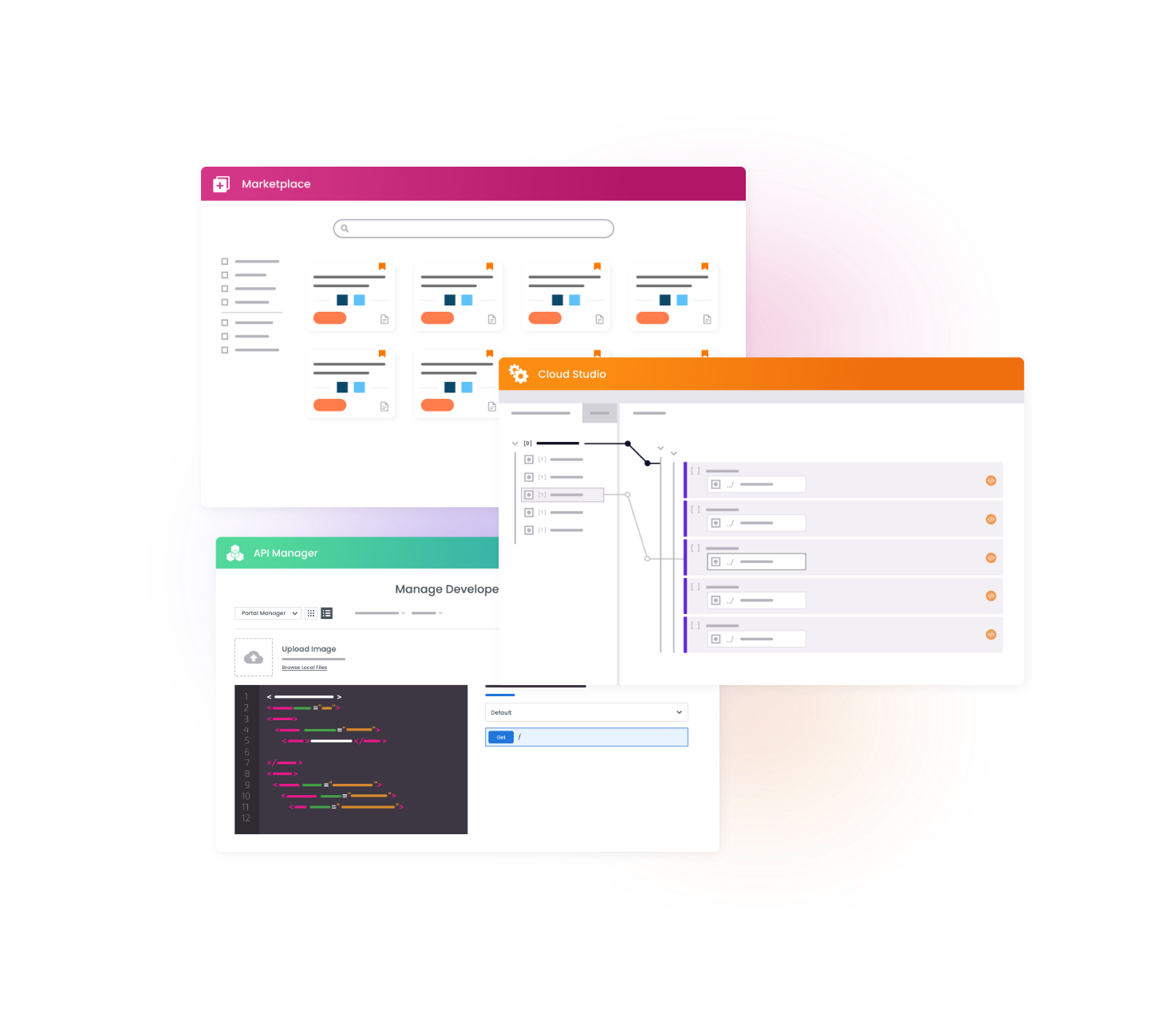
- Access 400+ pre-built, certified recipes, process templates, and connectors
- Build and automate new workflows with third-party integration solutions
- Customize and scale with reusable integration components
Manage and Scale Easily
- Utilice el Servicio de cola de mensajes to decouple applications and scale through the asynchronous messaging pattern without building up new infrastructure
- Control and monitor your integrations and processes anywhere, anytime
- Get full visibility across the enterprise with a centralized dashboard
- Perform full API lifecycle management tasks
- Make use of online training, best-in-class support, and a designated customer success manager
- Get guidance and best practices from integration experts
- Meet ISO 27001 and ISO 27017 compliance requirements
Create Business Apps Quickly
- Create with ease in a low code, “drag-and-drop” visual application builder
- User-facing, business applications built from the integrations already created utilizing Harmony
- Enjoy the functionality of a native app with the accessibility and speed of a website
- Update as you go with built-in iterative application development
- Enable secure data flow with flexible configurations
Related Resources
There are more ways to take control with Harmony and iPaaS.
Jitterbit Launches Premier Support Tiers to Deliver Enhanced Coverage, New Access Options

Accelerate Your Ecommerce Business Through Integration & Automation

Improve the Customer Experience and Increase Efficiency in Commerce with iPaaS
5 Reasons to Optimize Your Integrations with Jitterbit Enhanced Services
Frequently Asked Questions
¿Qué es iPaaS?
iPaaS, abreviatura de “plataforma de integración como servicio”, es una solución basada en la nube que conecta sus datos, aplicaciones y procesos comerciales.
Jitterbit iPaaS te permite hacerlo más rápido gracias a cientos de integraciones predefinidas que automatizan los flujos de trabajo empresariales más comunes, una interfaz fácil de usar que te permite crear integraciones rápidamente y herramientas de gestión que te permiten visualizarlo todo en un solo lugar. El resultado es una plataforma de integración empresarial nativa de la nube y de bajo código, diseñada tanto para desarrolladores de TI como para usuarios empresariales.
¿Cuáles son los beneficios de iPaaS?
iPaaS ayuda a las empresas a gestionar los requisitos de integración del entorno empresarial moderno, a preparar sus soluciones de integración para el futuro y a aumentar el valor de sus inversiones en TI. Estos son algunos de los principales beneficios de una solución iPaaS empresarial:
Ease of Use: Una solución iPaaS de código reducido reduce la dependencia de TI y permite a los usuarios no técnicos crear sus propias integraciones rápidamente. Con conectores y plantillas preconstruidos, conectar aplicaciones locales y en la nube es más fácil que nunca.
Tiempo de creación de valor más rápido: Con los conectores prediseñados que ofrece una plataforma de integración de bajo código, iPaaS también acelera el desarrollo y la implementación de la integración, lo que permite a las empresas automatizar rápidamente procesos comerciales clave para obtener un rápido retorno de la inversión.
Rentabilidad: A medida que las pilas de tecnología empresarial crecen y se adoptan más aplicaciones, la integración se vuelve cada vez más compleja y más costosa. iPaaS elimina la necesidad de crear integraciones desde cero, y la infraestructura asociada y los recursos para administrar y mantener estas integraciones son proporcionados por el proveedor de iPaaS, un gasto predecible y manejable que puede generar ahorros sustanciales a medida que las empresas escalan.
Scalability and Flexibility: PaaS permite a las organizaciones conectar rápidamente cientos de aplicaciones con facilidad. Se pueden integrar nuevas soluciones rápidamente para que las empresas puedan escalar y adaptarse rápidamente a las demandas cambiantes y estar preparadas para el futuro.
Multi Alquiler: iPaaS permite que varias organizaciones compartan recursos informáticos de forma segura. El proveedor de iPaaS administra las actualizaciones de software e infraestructura, lo que libera a las empresas de la necesidad de comprar o mantener su propio hardware y software.
Seguridad y cumplimiento mejorados: iPaaS aborda las preocupaciones de seguridad en entornos de nube al ofrecer identificación de amenazas, detección de fraudes y alertas de intrusos, lo que reduce los riesgos de infracciones. También garantiza el cumplimiento de estándares de la industria como GDPR e HIPAA a través de actualizaciones periódicas que se adaptan a las regulaciones cambiantes.
Gestión de API integrada: Jitterbit’s enterprise iPaaS solution connects with API Manager to create, publish, manage, and measure APIs across the entire API lifecycle, helping organizations operate in real-time and create microservices from a single secure platform.
Gestión Central: iPaaS permite desarrollar, diseñar y gestionar integraciones desde una única consola centralizada basada en web, lo que facilita la creación y el seguimiento de integraciones en toda la empresa.
Mejore la eficiencia y la productividad: Al automatizar los procesos comerciales y brindar una interfaz fácil de usar para conectar sistemas, las soluciones iPaaS empresariales ahorran tiempo y recursos al mismo tiempo que aumentan la eficiencia, lo que permite a los equipos de TI cambiar su enfoque hacia iniciativas más estratégicas.
iPaaS frente a ESB
Both iPaaS and ESB (Enterprise Service Bus) are used to integrate applications, and both have their place in modern integration strategies. The choice between iPaaS and ESB depends on an organization’s specific integration needs, existing infrastructure, and long-term strategy.
- iPaaS es una solución basada en la nube, mientras que ESB es una tecnología de la era anterior a la nube que utiliza un patrón arquitectónico para establecer la comunicación entre aplicaciones a través de una infraestructura similar a un bus.
- iPaaS admite la integración híbrida entre entornos locales y en la nube; ESB está diseñado para conectar sistemas locales heredados.
- iPaaS es liviano y rentable, mientras que ESB requiere codificación personalizada y hardware costoso.
- iPaaS ofrece escalabilidad horizontal para una fácil incorporación de aplicaciones; ESB proporciona escalabilidad vertical centrada en integraciones internas.
- iPaaS permite el acceso a datos en tiempo real para múltiples usuarios, mientras que ESB se limita a los sistemas internos.
- iPaaS utiliza estándares de mensajería livianos (JSON, REST, API), mientras que ESB a menudo se basa en protocolos tradicionales más complejos.
- Las organizaciones pueden preferir iPaaS para integrar rápidamente aplicaciones basadas en la nube o sistemas locales heredados.
- Las organizaciones pueden preferir ESB para integrar sistemas locales heredados donde los datos deben permanecer internamente debido a cuestiones regulatorias o de seguridad.
iPaaS frente a PaaS
Estos dos términos suenan tan similares que es fácil confundirlos: PaaS (Plataforma como servicio) es esencialmente iPaaS sin la “I”. Las principales diferencias que conviene conocer son:
- iPaaS conecta aplicaciones existentes entre sí; PaaS ofrece herramientas y servicios para crear aplicaciones desde cero.
- iPaaS proporciona integración de datos en tiempo real; PaaS aborda principalmente la gestión y la implementación del ciclo de vida de las aplicaciones.
- iPaaS ofrece conectores prediseñados y flujos de trabajo de integración; PaaS ofrece marcos de desarrollo y entornos de ejecución.