 Jitterbit iPaaS
 Jitterbit EDI
 Jitterbit API Manager
 Jitterbit MCP
 Jitterbit App Builder
 Marketplace
 Management Console
 Cloud Datastore
 Message Queue
 Jitterbit AI

Por Maneeza Malik, Director o Directora de Marketing de Producto
Los bancos y las aseguradoras están entrando en una nueva fase de adopción de la IA. Tras años de experimentar con modelos predictivos, chatbots y la IA generativa, muchas instituciones financieras están evaluando ahora la IA agéntica. Estos sistemas son capaces de razonar, tomar decisiones y ejecutar tareas en todos los procesos comerciales con una intervención humana limitada.
El potencial es significativo: los agentes de IA pueden ayudar a automatizar flujos de trabajo complejos, reducir el esfuerzo manual, mejorar la eficiencia operativa y acelerar los procesos de cara al cliente. Las aplicaciones abarcan el servicio al cliente, las investigaciones de fraude, los préstamos, la subscripción de riesgos, la gestión de siniestros, las finanzas, los recursos humanos y el cumplimiento normativo.
La tecnología en sí está avanzando rápidamente. Según Gartner, para 2028, 33% de aplicaciones de software empresarial incorporarán IA agentiva, frente a menos de 1% en 2024, mientras que 15% de las decisiones laborales cotidianas serán tomadas de manera autónoma por agentes de IA.
Sin embargo, a medida que las organizaciones pasan de la experimentación a la producción, muchas están descubriendo que la inteligencia por sí sola no es suficiente. Los agentes de IA solo crean valor cuando pueden acceder a datos, interactuar con sistemas empresariales y ejecutar acciones en procesos de negocio de extremo a extremo.
En los servicios financieros y de seguros, donde los flujos de trabajo a menudo abarcan cientos de aplicaciones y controles regulatorios, esta “última milla” de ejecución es frecuentemente la mayor barrera para la escala.
La pregunta ya no es si las instituciones adoptarán la IA agéntica. Es qué organizaciones lograrán ponerla en marcha con éxito en toda la empresa. Y, cada vez más, la integración surge como el vínculo fundamental entre la capacidad de la IA y los resultados de negocio.
La brecha de ejecución del Agentic AI en los servicios financieros
La promesa de la IA agéntica no es solo ofrecer mejores perspectivas. Es la capacidad de ejecutar trabajo.
La mayoría de las instituciones financieras y las aseguradoras ya han demostrado que la inteligencia artificial puede analizar documentos, resumir información, identificar patrones y recomendar acciones. Estas capacidades se están convirtiendo cada vez más en requisitos mínimos. El reto comienza cuando las organizaciones intentan pasar de casos de uso aislados a una implementación a escala de producción.
A diferencia del software tradicional, los agentes de IA rara vez operan dentro de una sola aplicación. Para realizar un trabajo significativo, deben interactuar con fuentes de datos, aplicaciones de negocios, flujos de trabajo y sistemas de toma de decisiones en toda la empresa.
Para lograrlo, los agentes de IA necesitan acceso a datos, sistemas, flujos de trabajo, políticas y contexto empresarial. Sin esto, incluso los modelos más avanzados operan con una comprensión incompleta del entorno y una capacidad limitada para impulsar resultados.
Aquí es donde muchas iniciativas se estancan.
Un flujo de trabajo de otorgamiento de préstamos, por ejemplo, puede incluir sistemas de incorporación de clientes, repositorios de documentos, agencias de crédito, plataformas de evaluación de crédito, aplicaciones bancarias centrales, controles de cumplimiento y procesos de aprobación. Un agente de IA puede ser capaz de evaluar una solicitud e identificar factores de riesgo, pero para completar el proceso se requiere un acceso coordinado a todos los sistemas involucrados.
Este mismo reto se presenta en el procesamiento de reclamaciones, las investigaciones de fraude, el servicio al cliente y las operaciones financieras. Puede que se cuente con la información necesaria, pero la ejecución se vuelve difícil cuando los sistemas subyacentes están fragmentados.
Entre los obstáculos más comunes se encuentran:
- Datos distribuidos en entornos heredados y en la nube
- Procesos de negocios que abarcan múltiples aplicaciones
- Modelos de seguridad y permisos inconsistentes
- Visibilidad limitada sobre las acciones y resultados de los agentes
- Transferencias manuales entre sistemas y equipos
- Requisitos normativos que exigen supervisión y trazabilidad
Como resultado, muchas instituciones financieras cuentan con agentes de IA que pueden recomendar acciones, pero que no pueden completar de manera confiable los procesos de negocios de principio a fin.
Esta brecha entre inteligencia y ejecución se está convirtiendo en uno de los desafíos determinantes para la adopción de la IA empresarial.
Por qué el Agentic AI necesita integración para generar valor en el sector bancario
Durante décadas, la integración se ha considerado principalmente como una función de TI. En la era de la IA agéntica, se ha convertido en una capacidad empresarial estratégica.
Pensemos en una investigación de fraude. Detectar actividades sospechosas es solo el primer paso. Resolver el problema puede requerir recuperar historiales de transacciones, revisar los expedientes de los clientes, consultar los sistemas de detección de sanciones, crear expedientes del caso, notificar a los investigadores y documentar las medidas tomadas para cumplir con los requisitos de información regulatoria.
El valor no se genera al identificar un posible problema, sino al avanzar en la investigación. Para ello, se requiere conectividad entre los distintos sistemas.
El mismo principio se aplica al servicio al cliente. Un agente que atiende a un asegurado puede necesitar consultar la información de la póliza, acceder a los registros de reclamaciones, verificar el estado de los pagos, actualizar los datos de la cuenta y coordinar las comunicaciones de seguimiento. La experiencia del cliente depende no solo de la calidad de esta interacción, sino también de la capacidad de realizar acciones en tiempo real.
Por esto la integración se ha convertido en la última milla de la IA agéntica.
Las organizaciones han invertido fuertemente en plataformas de datos, análisis y modelos de inteligencia artificial. Sin embargo, el valor empresarial se materializa en última instancia cuando la inteligencia artificial puede operar dentro de los procesos existentes y traducir las decisiones en acciones. La integración proporciona el tejido conectivo que permite esta transición de la inteligencia a la ejecución.
Sin ella, la inteligencia artificial sigue confinada a casos de uso aislados. Con ella, las organizaciones pueden comenzar a automatizar procesos comerciales completos en lugar de tareas individuales.
La gobernanza no puede ser algo secundario
La ejecución por sí sola no es suficiente. Las instituciones financieras y las aseguradoras operan en algunos de los entornos más regulados del mundo. Cualquier tecnología que influya en los resultados de los clientes, las decisiones financieras o los procesos operativos debe cumplir con estrictos requisitos de transparencia, rendición de cuentas y control.
Esto cobra aún más importancia a medida que los sistemas de IA adquieren mayor autonomía.
Las organizaciones necesitan tener la certeza de que las acciones de los agentes se ajustan a las políticas internas, los requisitos regulatorios y los marcos de gestión de riesgos. Deben comprender cómo se tomaron las decisiones, qué información se utilizó y si se siguieron los controles adecuados a lo largo de todo el proceso.
Preguntas como estas cobran cada vez más importancia
- ¿Por qué se tomó una acción en particular?
- ¿Qué datos fundamentaron la decisión?
- ¿Se aplicaron las políticas de manera coherente?
- ¿Cuándo se requirió la revisión humana?
- ¿Se puede auditar el proceso a posteriori?
Estas preguntas son más que simples cuestiones de cumplimiento. Son requisitos de confianza.
Sin mecanismos claros de gobernanza, las organizaciones pueden dudar en implementar agentes de IA en procesos de alto valor. Por el contrario, cuando la aplicación de políticas, el monitoreo, la observabilidad y la auditabilidad se integran en los flujos de trabajo operativos, las instituciones pueden escalar la automatización con mayor confianza.
Las organizaciones que tengan éxito con la IA agente no serán aquellas que avancen más rápido, sino aquellas que establezcan los controles necesarios para avanzar de manera responsable.
El futuro de las finanzas autónomas
La conversación sobre la IA agentiva suele centrarse en lo que la tecnología puede hacer. Cada vez más, la pregunta más importante es qué pueden poner en práctica las organizaciones.
La mayoría de las instituciones financieras y aseguradoras tendrán acceso a modelos de IA cada vez más capaces. La ventaja competitiva provendrá de cuán eficazmente se integren esas capacidades en las operaciones comerciales.
Las organizaciones que puedan integrar agentes de inteligencia artificial en los sistemas corporativos, los flujos de trabajo y los marcos de gobernanza estarán mejor posicionadas para acelerar la toma de decisiones, mejorar la experiencia del cliente, aumentar la eficiencia operativa y reducir el trabajo manual en toda la organización.
Quienes no lo hagan seguirán enfrentándose a un desafío conocido: iniciativas de IA prometedoras que ofrecen un impacto comercial limitado más allá de la etapa piloto.
Agentic AI representa una oportunidad significativa para el sector de servicios financieros y seguros, pero para aprovechar los beneficios potenciales se necesita algo más que modelos inteligentes. Se requiere una infraestructura que permita que esos modelos funcionen en el contexto complejo de los entornos empresariales.
Jitterbit Harmony: Conectando la IA con la ejecución empresarial
A medida que se acelera la adopción, la integración surge como el puente crítico entre el potencial de la IA y los resultados de negocio. Los bancos y aseguradoras que construyan ese puente con éxito serán los que traduzcan la innovación de la IA en resultados mensurables a escala.
Esto requiere una base que permita que los sistemas, los datos, los flujos de trabajo y los procesos de gobernanza operen en conjunto.
Jitterbit Harmony proporciona esa base a través de una plataforma unificada de código bajo con infusión de inteligencia artificial que reúne:
- iPaaS
- Integraciones de datos y sistemas
- Ciclo de vida completo Gestión de API
- Desarrollo de aplicaciones
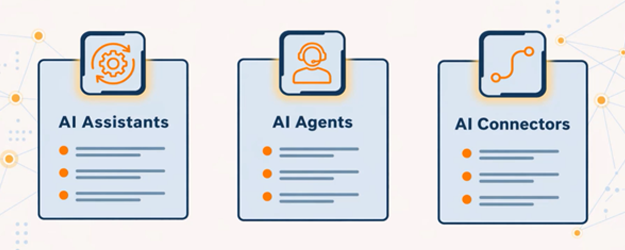
- Asistentes y agentes de IA
- Y, sobre todo, flujos de trabajo complejos y orquestación de agentes de inteligencia artificial a escala, todo en un único entorno
En lugar de depender de conexiones puntales fragmentadas, las organizaciones pueden establecer una arquitectura de integración moderna que permita la comunicación en tiempo real entre los distintos sistemas de la empresa. Esto incluye plataformas bancarias centrales, sistemas de seguros, aplicaciones de CRM, entornos de ERP, repositorios de datos y más. Al conectar estos entornos, Harmony permite que los procesos impulsados por IA operen en toda la empresa, en lugar de limitarse a aplicaciones aisladas.
Para los bancos y las aseguradoras que buscan pasar de la fase experimental a la de producción, Harmony ofrece un entorno integral para crear, implementar, administrar y coordinar agentes de IA en toda la empresa. Sus capacidades de bajo código aceleran el desarrollo de agentes de IA al simplificar el diseño de flujos de trabajo, la integración de sistemas y la administración del ciclo de vida de los agentes, lo que reduce la necesidad de una programación personalizada extensa.
Las instituciones financieras y las aseguradoras pueden crear rápidamente agentes de IA que interactúan con sistemas bancarios centrales, plataformas de administración de pólizas, aplicaciones de procesamiento de reclamaciones, herramientas de servicio al cliente y fuentes de datos empresariales. Estos agentes pueden integrarse en los procesos comerciales, colaborar con otros agentes y usuarios humanos, y ejecutar acciones en sistemas conectados en tiempo real. Esto ayuda a garantizar que las organizaciones puedan automatizar flujos de trabajo complejos mientras mantienen la visibilidad y el control operativos.
Igualmente importante, los controles integrales de gobernanza, cumplimiento y seguridad de la IA están integrados en toda la plataforma. El monitoreo, las pistas de auditoría y la aplicación de políticas ayudan a las organizaciones a escalar las iniciativas de automatización mientras mantienen el cumplimiento normativo. Y las capacidades de gestión centralizada permiten a las organizaciones regir el comportamiento de los agentes, rastrear el rendimiento y garantizar que los procesos impulsados por IA sigan alineados con los requisitos comerciales, de riesgo y normativos.
Jitterbit Harmony ha logrado Certificación ISO 42001, junto con varias otras certificaciones de seguridad fundamentales para industrias reguladas. Nuestro enfoque líder en la industria sobre la seguridad garantiza que a los agentes se les pueda otorgar el acceso que necesitan para tener éxito sin riesgos adicionales.
El resultado es un entorno operativo más seguro y confiable para la IA agéntica, uno que respalda tanto la innovación como los requisitos empresariales.
¿Listo para comenzar tu viaje en la IA agéntica?
Vea cómo Jitterbit ayuda a las instituciones financieras y aseguradoras a crear, conectar y escalar soluciones de IA agéntica con asistentes de IA, agentes de IA y la base de integración necesaria para competir en un mercado impulsado por la IA.
Más Información