 Jitterbit iPaaS
 Jitterbit EDI
 Jitterbit API Manager
 Jitterbit MCP
 Jitterbit App Builder
 Marketplace
 Management Console
 Cloud Datastore
 Message Queue
 Jitterbit AI
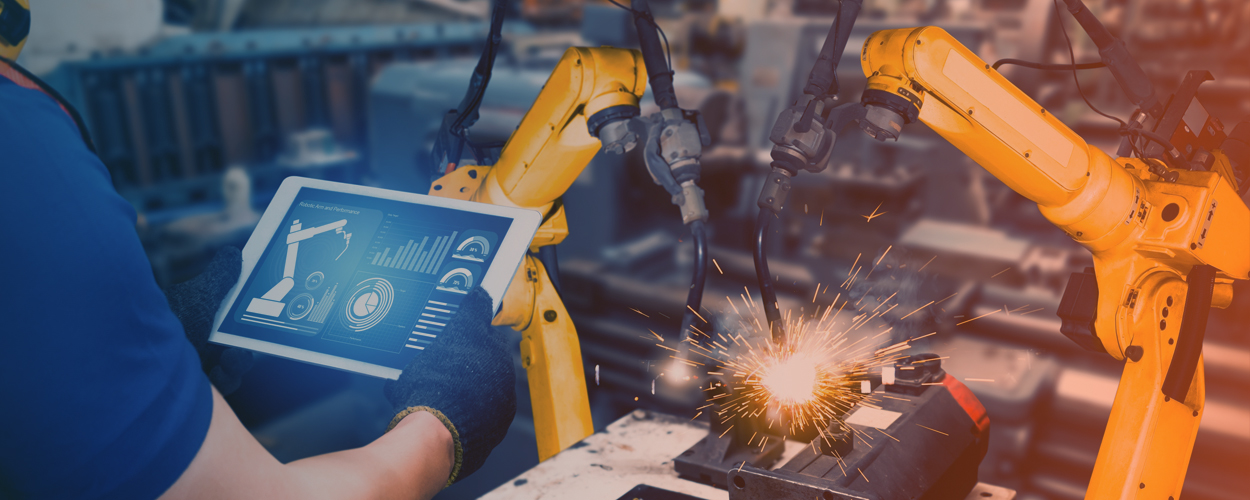
Gli ambienti di produzione diventano ogni anno più complessi. Molteplici sistemi, infrastrutture obsolete e dati disconnessi frenano sempre più il processo decisionale, ma sostituire investimenti di lunga data è costoso e poco pratico.
Una piattaforma di integrazione per la produzione aiuta i produttori a connettere i sistemi esistenti, gestire i dati e migliorare l'efficienza mentre si preparano per l'Industria 5.0 e oltre. In questa guida, analizzeremo gli elementi da cercare in una piattaforma di integrazione, ovvero una soluzione che cresca insieme ai vostri sistemi, supporti l'automazione e l'intelligenza artificiale e mantenga l'essere umano al centro delle operazioni della vostra fabbrica intelligente.
Lo stato della manifattura e il ruolo dell'integrazione
Le aziende manifatturiere sono sottoposte a un'enorme pressione per muoversi più rapidamente e operare in modo più efficiente, rispondendo al tempo stesso ai clienti in tempo reale. Iniziative Industria 4.0 hanno spinto i produttori ad accelerare l'adozione di sistemi di produzione connessi e di analisi avanzate in officina e nella catena di approvvigionamento.
Di conseguenza, i produttori ora dipendono fortemente da:
- Accesso in tempo reale ai dati di produzione da più sistemi
- Scambio di dati continuo tra sistemi ERP, sistemi CRM e applicazioni di produzione
- Visibilità centralizzata lungo l'intero reparto di produzione e la catena del valore
Ma tutto questo non è possibile senza una robusta piattaforma di integrazione. L'integrazione è ciò che collega macchine, applicazioni e flussi di dati, trasformando sistemi isolati in un unico ecosistema operativo. È anche ciò che consente all'intelligenza artificiale, all'automazione e all'analisi di generare valore reale anziché rimanere inutilizzate nei cruscotti.
Ciò diventa ancora più importante nell'Industria 5.0, dove l'intelligenza artificiale, l'apprendimento automatico e l'automazione intelligente sono concepite per potenziare — e non sostituire — l'esperienza umana. Previsioni per l'industria manifatturiera 2026 di Deloitte si stima che oltre 81% di ore di lavoro continueranno a essere svolte da persone, rendendo l’integrazione il ponte che collega la tecnologia intelligente alle persone che gestiscono effettivamente le operazioni.
Sfide per i produttori moderni
La maggior parte delle aziende manifatturiere si affida a un mix di sistemi legacy e tecnologie più recenti, spesso implementati in momenti diversi da fornitori diversi, ciascuno dei quali risolve un problema specifico. Questi sistemi portano frequentemente a disparità e richiedono patch di rappezzo per mantenere le cose operative.
I problemi più comuni includono:
- Silos di dati che limitano la visibilità e rallentano il processo decisionale
- Integrazioni punto a punto lunghe da realizzare e difficili da mantenere
- Dati incoerenti che compromettono l'integrità e l'affidabilità dei dati
- Approfondimenti in tempo reale limitati su produzione, gestione delle scorte e della catena di approvvigionamento
La sostituzione di questi sistemi è raramente realistica. La vera sfida è trovare una piattaforma di integrazione manifatturiera che colleghi i sistemi esistenti supportando al contempo i moderni processi produttivi e la crescita futura.
In che modo una piattaforma di integrazione per la produzione genera valore aziendale
Quando i sistemi di produzione scambiano informazioni in modo affidabile, i vantaggi si estendono a tutta l'organizzazione. I produttori ottengono:
- Informazioni in tempo reale sui dati di inventario, sulle prestazioni di produzione e sui trend di vendita
- Maggiore efficienza produttiva e utilizzo delle risorse
- Migliore coordinamento lungo la catena di approvvigionamento e in fabbrica
- Dati più puliti per iniziative di analisi e apprendimento automatico
Eliminando la gestione manuale dei dati e i flussi di lavoro scollegati, i produttori consentono ai team di concentrarsi su attività a maggior valore aggiunto e sul miglioramento continuo.
Cosa considerare nella scelta di una piattaforma di integrazione per la produzione
Per scegliere la migliore piattaforma di integrazione, i produttori dovrebbero concentrarsi sui requisiti pratici legati alle operazioni e al valore a lungo termine, tra cui:
Tempo di valore e sforzo di implementazione
Una piattaforma di integrazione per la produzione dovrebbe ridurre la complessità, non aumentare. Cercate strumenti low-code e connettori predefiniti che aiutino i team a integrare i sistemi rapidamente e ad arrivare sul mercato più velocemente.
Manutenzione continua e scalabilità
Man mano che i produttori crescono, le integrazioni devono scalare di conseguenza. La piattaforma giusta supporta sistemi, utenti e fonti di dati aggiuntivi senza creare nuovi colli di bottiglia o lavoro manuale.
Sicurezza e Governance
I dati di produzione fluiscono attraverso sistemi interni e partner esterni. Una forte governance consente una gestione coerente dei dati in tutta l'organizzazione, consentendo uno scambio di dati sicuro e garantendo un adeguato controllo degli accessi.
Visibilità in tempo reale e approfondimenti sui dati
La raccolta e il monitoraggio dei dati in tempo reale consentono ai produttori di migliorare la pianificazione della produzione, aumentare la precisione degli ordini, guidare l'efficienza operativa e supportare un migliore processo decisionale.
Lista di controllo per l'acquirente di una piattaforma di integrazione manifatturiera
Una piattaforma di integrazione per la produzione dovrebbe consentire ai produttori di ottimizzare i processi senza interrompere le operazioni esistenti.
Usa questa checklist come rapida reference quando confronti le soluzioni:
- Supporta ambienti ibridi con sistemi legacy e piattaforme cloud
- Fornisce un'integrazione basata prima sulle API anziché su fragili connessioni punto a punto
- Collega ERP, CRM, sistemi di produzione e piattaforme IoT
- Funziona come un hub di dati centralizzato per i dati di produzione
- Mantiene l'integrità dei dati tra più sistemi
- Abilita lo scambio di dati e il monitoraggio in tempo reale
- Dimensiona tra impianti, regioni e unità di business
- Include sicurezza, governance e audit integrati
Perché Jitterbit Harmony è la chiave per la produzione connessa
Jitterbit Harmony offre ai produttori un'unica piattaforma di integrazione manifatturiera per connettere sistemi esistenti, applicazioni moderne e partner esterni senza interruzioni operative. I produttori possono utilizzare Le soluzioni di automazione e integrazione per il settore manifatturiero di Jitterbit per integrare un'ampia gamma di tecnologie esistenti e di nuova generazione, tra cui sistemi ERP, sistemi CRM, sistemi di produzione e servizi cloud. Progettato per ambienti ibridi complessi, Harmony supporta lo scambio di dati in tempo reale con una solida governance, offrendo alle aziende manifatturiere una soluzione di integrazione scalabile che si estende all'interno dello stabilimento e oltre.
Pianifica una demo con un esperto di prodotto
Esplora le nostre demo interattive e guidate autonomamente